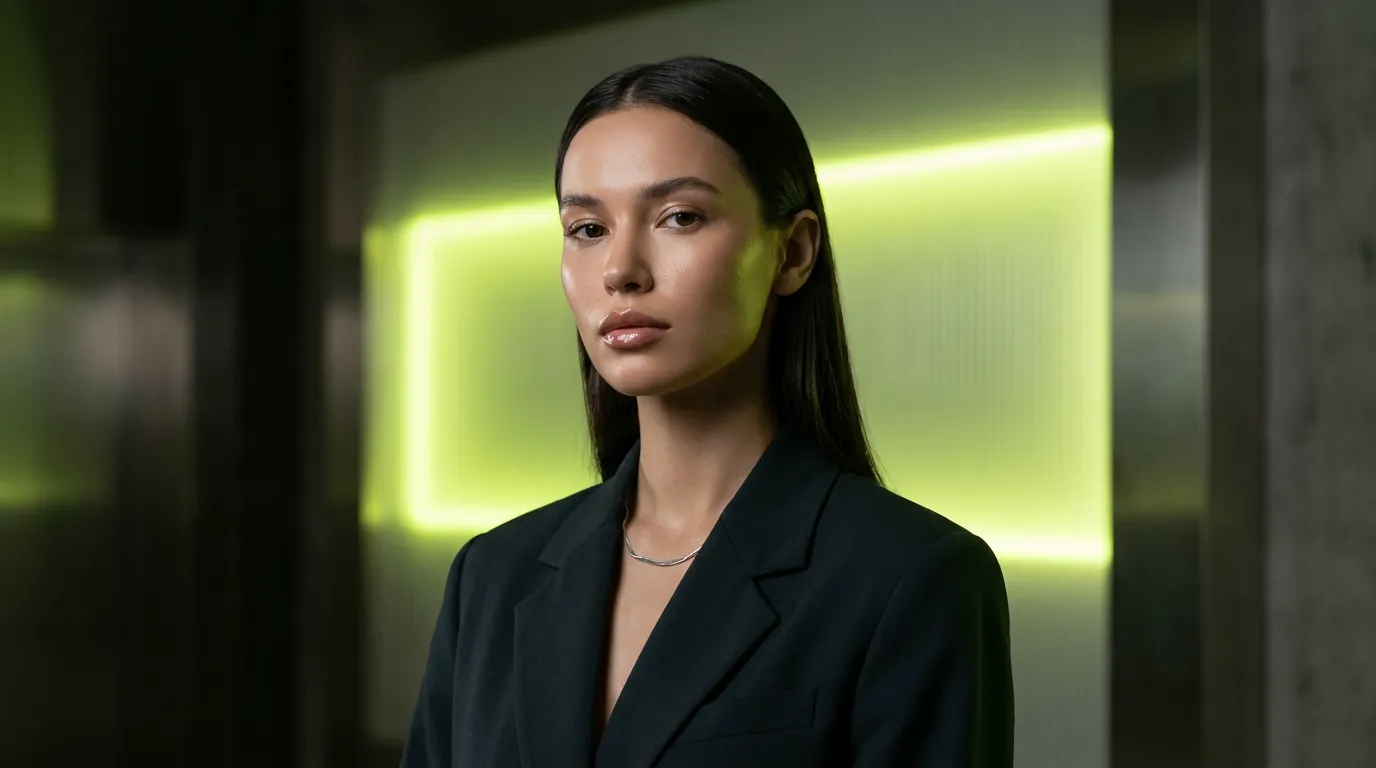
AI influencers — photorealistic virtual characters generated by artificial intelligence — have become a real marketing lever. Some have hundreds of thousands of followers; for brands, they offer something new: a recognizable identity that produces unlimited content, on demand, with no contracts or scheduling.
Definition: what is an AI influencer?
An AI influencer (or virtual influencer) is a character created entirely by AI: a face, a style, a personality. Unlike a one-off generated image, it keeps the same identity from one creation to the next — and that consistency is what makes it a durable, usable brand persona.
You can generate dozens of photos and videos of the same "person" in different scenes, outfits and contexts, without ever needing a real model.
How does it work?
Three building blocks make AI influencers possible:
- AI image generation: creates the base character (look, age, vibe) in photorealistic quality.
- Identity consistency: a mechanism that "locks" the face so it stays identical across generations.
- Video generation (image-to-video): animates the character to produce UGC videos from images.
What is an AI influencer used for?
- UGC videos for your TikTok, Meta and Reels ads.
- Product placement: holding, wearing or presenting your product (with virtual try-on for fashion).
- A faceless Instagram / TikTok brand, fed with content continuously.
- Consistent catalogs and lookbooks at scale.
- High-volume creative testing to find the converting angle before scaling.
AI influencer vs real creator
A real creator or model is paid per shoot or per post, needs scheduling, and can't be reused infinitely. An AI influencer is generated instantly, stays perfectly consistent, costs a fraction of the price, and produces content 24/7. For volume and ad testing, the gap is huge.
How to create your AI influencer in 4 steps
- Define the character: look, age, style, niche. Generate several options and keep the one that fits your brand.
- Lock the identity: save the face so it stays consistent across all future generations.
- Generate content: product photos, lifestyle scenes, UGC videos — on demand.
- Publish & scale: post to your channels and launch ads, or build an entire brand around them.
Transparency & best practices
An AI influencer is still a virtual character. Depending on your market and platforms, disclose when content is AI-generated, and avoid passing your character off as a real, existing person. Transparency protects your brand and your audience's trust.