What you control in practice
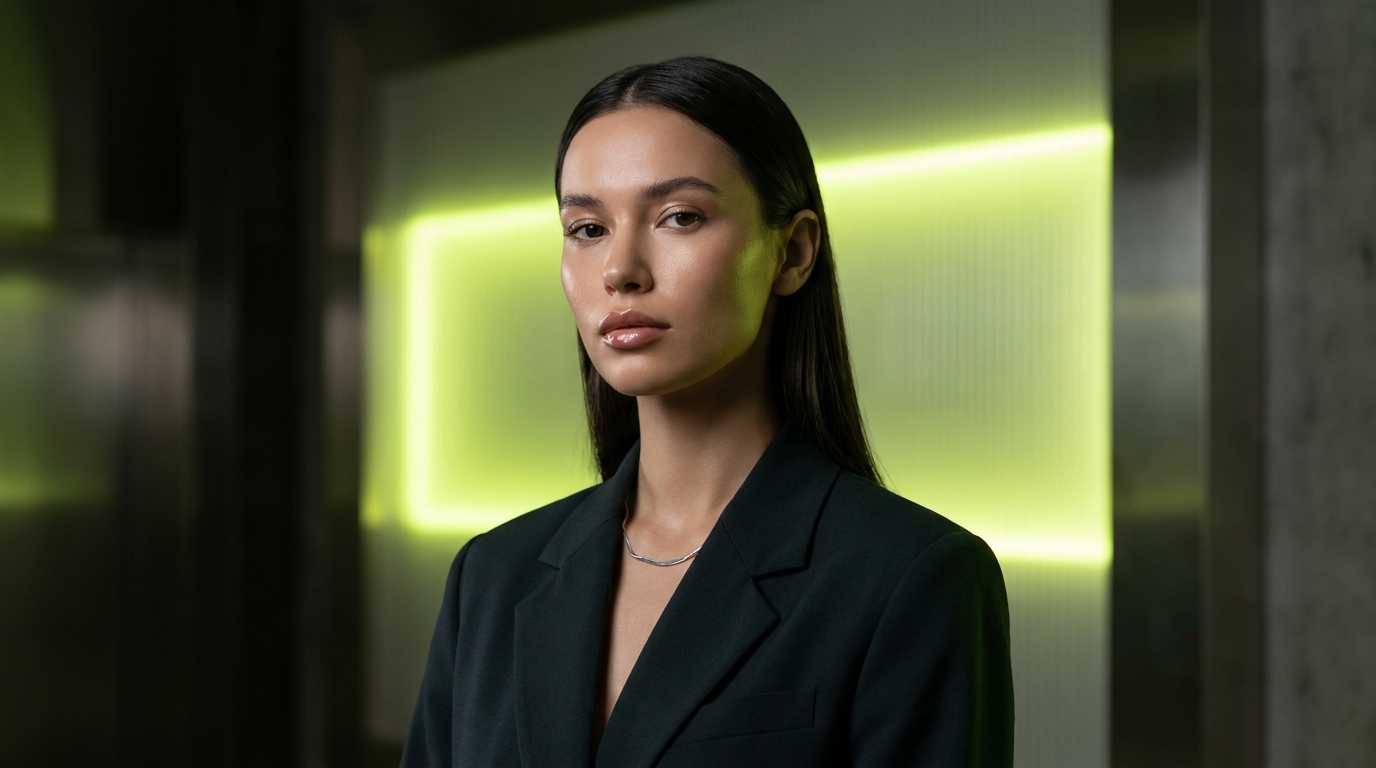
Practically, having your own AI influencer means three things: a character only you generate with, a face that stays the same across videos and photos, and the freedom to put it in any scene, outfit, or format you need. On Kreavo, a custom AI influencer is created once and reused; every new video is generated from that saved identity, not from a fresh prompt, so the face does not drift. You can also start from a ready-made AI influencer if you do not need a unique one.
Where ownership gets complicated
- Terms of service: the platform's terms define what rights you have in generated outputs and whether the character is exclusive to you.
- Copyright: many jurisdictions have unsettled or restrictive positions on copyright in purely AI-generated images and video.
- Trademark: you can often protect the character's name and branding as a trademark even where the image itself is hard to copyright.
- Likeness: if the character resembles a real person, that person's rights may override yours.
- Portability: a character built inside one tool may not transfer to another with the same face.
This is general information, not legal advice. If the AI influencer is going to become a brand asset, ask a lawyer in your market about the current position on AI-generated works.
Building a brand around an AI influencer
- Design the character deliberately: age range, style, tone of voice, the kind of products it presents.
- Give it a name and a visual signature, and consider registering the name as a trademark.
- Use it consistently across ads, product photos, and organic posts so recognition builds.
- Keep the product real: composite your actual items into the scenes rather than generic props.
- Document your prompts, references, and outputs so you can show the creation history if needed.
Why the consistent face is the whole point
An influencer, human or AI, works because audiences recognize the person. If the face changes from one video to the next, you have a series of stock clips, not an influencer. That is why the ability to lock a character's identity across videos, photos, virtual try-on, and different AI video models is the feature that makes owning an AI influencer meaningful, whatever the legal framing turns out to be in your country.