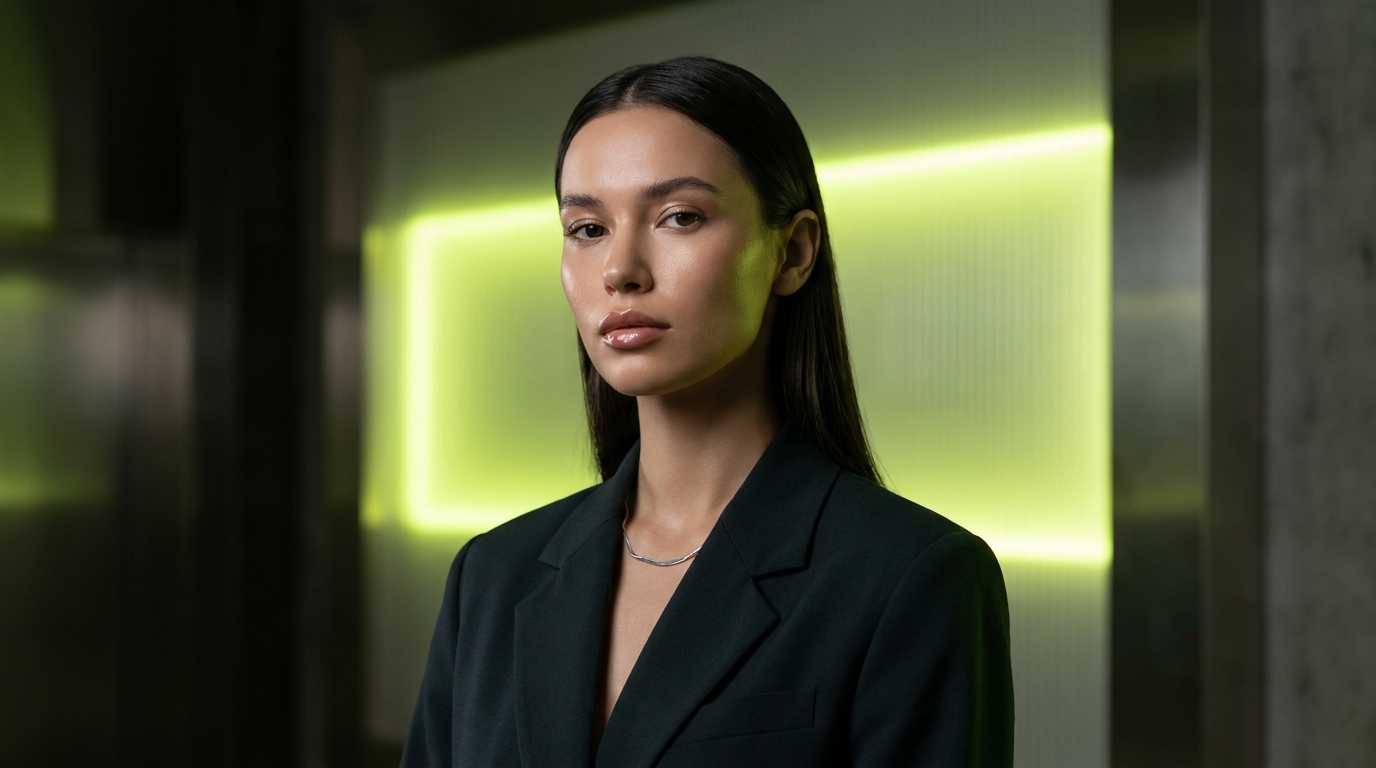
The definition
A human UGC creator is someone brands pay to film casual, phone-style videos about their products. An AI UGC creator does the same job without the person: a generated character, with a fixed face and look, is placed in realistic scenes holding and presenting your product, speaking a script with lip-sync and natural motion. The output is meant to look like content, not like a studio ad, which is what makes it UGC-style.
Two kinds: ready-made and custom
- Ready-made AI creators: a library of characters you can use immediately, useful for fast tests and for trying different demographics.
- Custom AI influencers: a character you design once, with a consistent face across every video and photo, so your brand has a recognizable presenter.
- Both can be placed in any scene, outfit, or format, and both work with your real product composited into the shot.
- Both are generated personas, not scans of real people, which keeps you clear of likeness issues.
What an AI UGC creator can do
- Present your product to camera in 9:16 videos for TikTok, Reels, and Shorts.
- Appear in AI product photography, from $1 per image, up to 4K.
- Model apparel through virtual try-on.
- Replace the person in an existing video through reference-based editing or face-swap.
- Deliver the same script in several variations, with different hooks, scenes, and video models such as Seedance, Kling, VEO, and Wan.
How it compares with a human creator and an avatar
Against a human creator, an AI UGC creator wins on cost ($1 to $5 per video versus $50 to $500), speed (minutes versus 3 to 10 days), and consistency, and loses on genuine personal storytelling and audience trust. Against an AI avatar, it is the opposite style: avatars are polished talking heads for explainers, while an AI UGC creator is built to look like a real person filming casually in a real room. Many brands use an AI UGC creator for testing and volume, then bring in a human for the angles that prove themselves.