The core difference
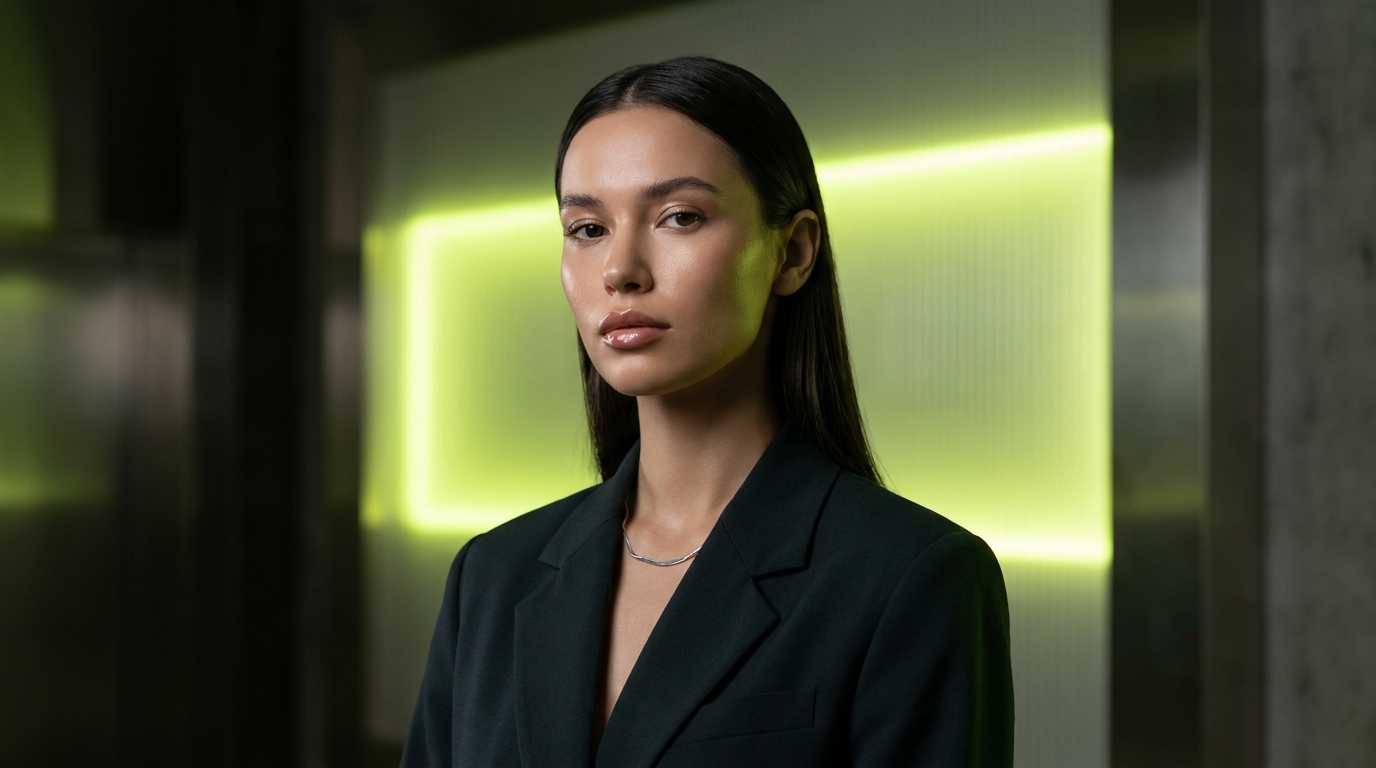
Both use AI to put a synthetic person on screen, but they optimize for opposite things. An AI avatar is designed to be a reliable presenter: centered framing, neutral background, clean audio, a script read word for word. AI UGC is designed to not look like an ad: handheld framing, a real room, natural movement, a product in hand, and a hook that sounds like something a friend would say. On a social feed, the second stops the scroll; the first tends to read as corporate.
Side by side
- Goal: AI UGC sells in paid social; AI avatars explain, train, or announce.
- Look: AI UGC is phone-style and casual; avatars are studio-style and polished.
- Product: AI UGC composites your real product into the scene; avatars usually show slides or nothing.
- Motion: AI UGC includes full-body and scene motion; avatars are mostly a talking head.
- Format: AI UGC is typically 9:16 for TikTok, Reels, and Shorts; avatars are often 16:9 for web and LMS.
- Variations: AI UGC workflows are built for many hooks and presenters; avatar tools focus on one clean take.
When to use which
Use AI UGC when the goal is a conversion on a social feed: product launches, offer tests, retargeting creatives, dropshipping ads. Use an AI avatar when the goal is to inform: onboarding videos, help-center clips, internal training, multilingual announcements. Some brands use both, an avatar for the product page explainer and AI UGC for the ads that bring people to that page.
What Kreavo makes
Kreavo is built for the AI UGC side. You choose a ready-made AI influencer or create a custom one with a consistent face, upload your real product, and generate videos routed through models such as Seedance, Kling, VEO, and Wan, with motion and lip-sync, exported in 9:16 or 16:9. Videos cost about $1 to $5 each, and a free trial includes 150 credits with no credit card. If you need a slide-reading corporate presenter, a dedicated avatar tool is the better fit.